As a recruitment agency, we work with many Polish employees on a daily basis. We see how valuable their commitment, work ethic and cultural background are. Sometimes cultural differences arise between the Dutch and Poles, but it is precisely these differences that make the cooperation fascinating, instructive and often surprisingly positive. In this blog we look at some important aspects of Polish culture and the differences with the Dutch way of life, as well as giving a glimpse into the cozy tradition of Andrzejki.
1. Directness vs. Politeness
The Dutch are known for their direct way of communicating. Poles tend to be more cautious and formal: criticism is expressed more subtly and people want to remain respectful. This modesty and courtesy is typically Polish and contributes to a warm, respectful relationship in the workplace and beyond. It is a quality that we as an agency greatly appreciate.
2. Hierarchy and respect at work
In Poland, respect for leaders and experience is strongly embedded. Instructions are clearly followed and responsibility is taken seriously. This attitude combines well with the Dutch open consultation culture: it produces teams in which discipline, responsibility and cooperation go hand in hand.
3. Hospitality and social warmth
A characteristic Polish trait is cordial hospitality. Family and friends are welcomed with full attention, with lots of food and conviviality. This shows how important human relationships and caring for each other are in Polish culture. It makes cooperation not only productive, but also enjoyable and connected.
4. Punctuality and flexibility
Poles appreciate punctuality, but often also emphasize social contact and personal attention. This creates a fine balance: efficiency and warmth, something that Dutch colleagues often find surprising and positive.
5. Privacy and trust
In Polish culture, trust is essential. People share personal matters only when they feel truly at ease. This diligence often makes relationships deep and trustworthy – in the workplace and in personal life.
6. Traditions and holidays
Poland has a rich tradition of religious and cultural holidays, such as Christmas and Easter, which are celebrated extensively and ritually. It shows how important family, community and cultural preservation are. Dutch people often experience these traditions as special and warm because they are so different from Dutch celebrations.
Andrzejki: a typically Polish tradition
As November draws to a close, Andrzejki arrives, a celebration unknown to us in the Netherlands. Andrzejki (St. Andrew’s Eve), celebrated on Nov. 29, is all about sociability, playful prophecies and togetherness. Originally, it was a night when young women performed rituals to discover their future partner. Today, it is a cozy tradition for everyone.
Typical activities include:
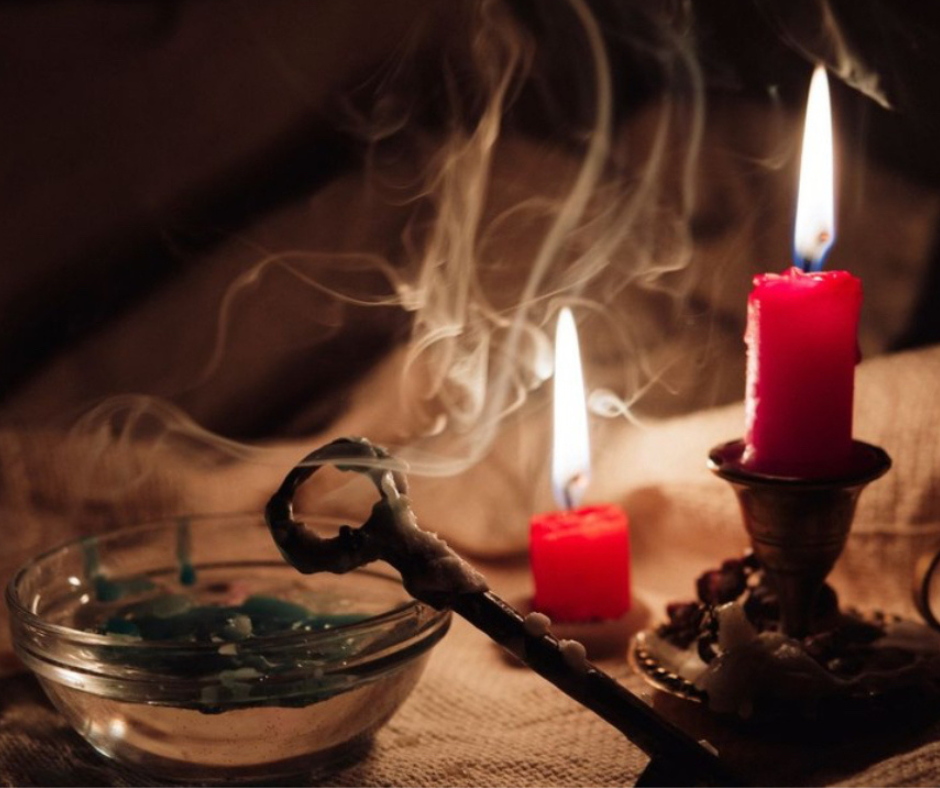
- Pouring wax through a key: molten wax is poured through the hole of an old key. The figure formed would reveal something about the future.
- Name predictions: papers with names are placed under a pillow; the one that emerges may symbolize the future partner.
- Games and parties: schools, villages and families organize evenings filled with music, snacks and humorous predictions.
Andrzejki is a warm and playful moment, a perfect example of Poland’s love of tradition, community and conviviality. It shows how culture is more than work style: it is about values, fun and connection.
Conclusion
At first glance, Poles and the Dutch differ in directness, work style, social interaction and traditions. But these very differences make cooperation richer and more instructive. Polish employees bring dedication, loyalty, warmth and hospitality. And with Andrzejki on our doorstep, it is a great opportunity to discover and appreciate a piece of vibrant Polish culture.